

Damp Problems Hit Five-Year High as 6.5 Million UK Homes Affected, Building Products Manufacturer Warns
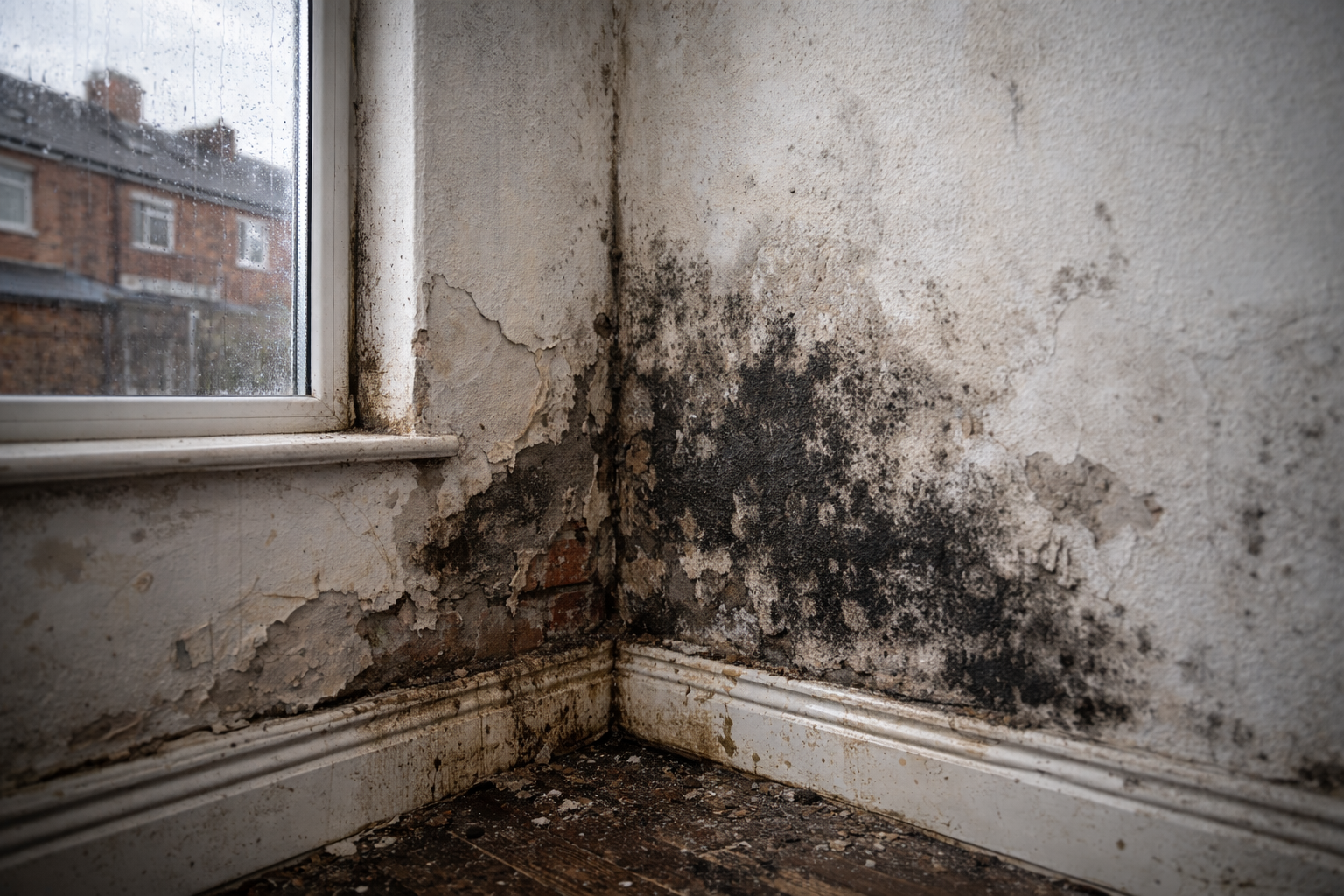
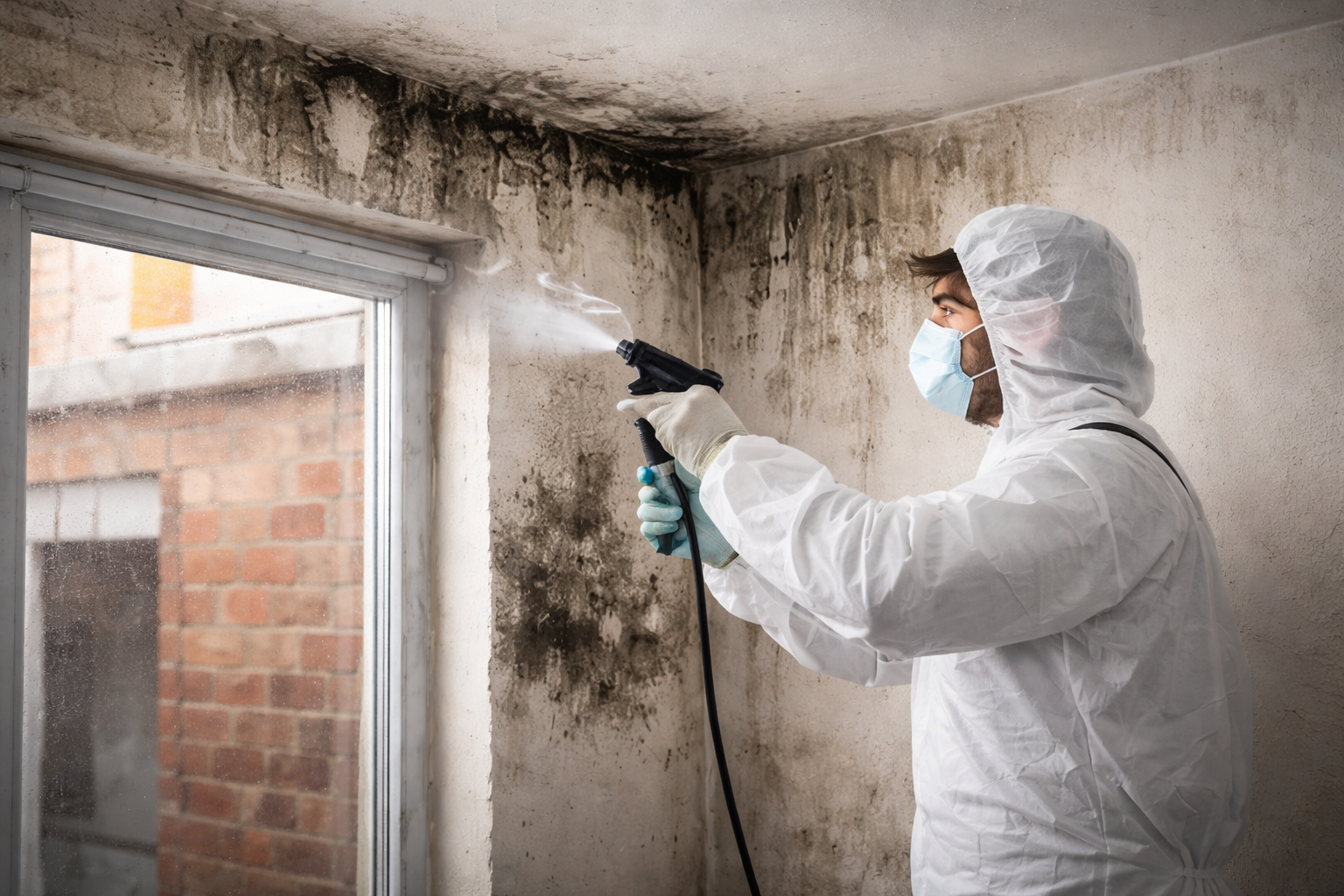
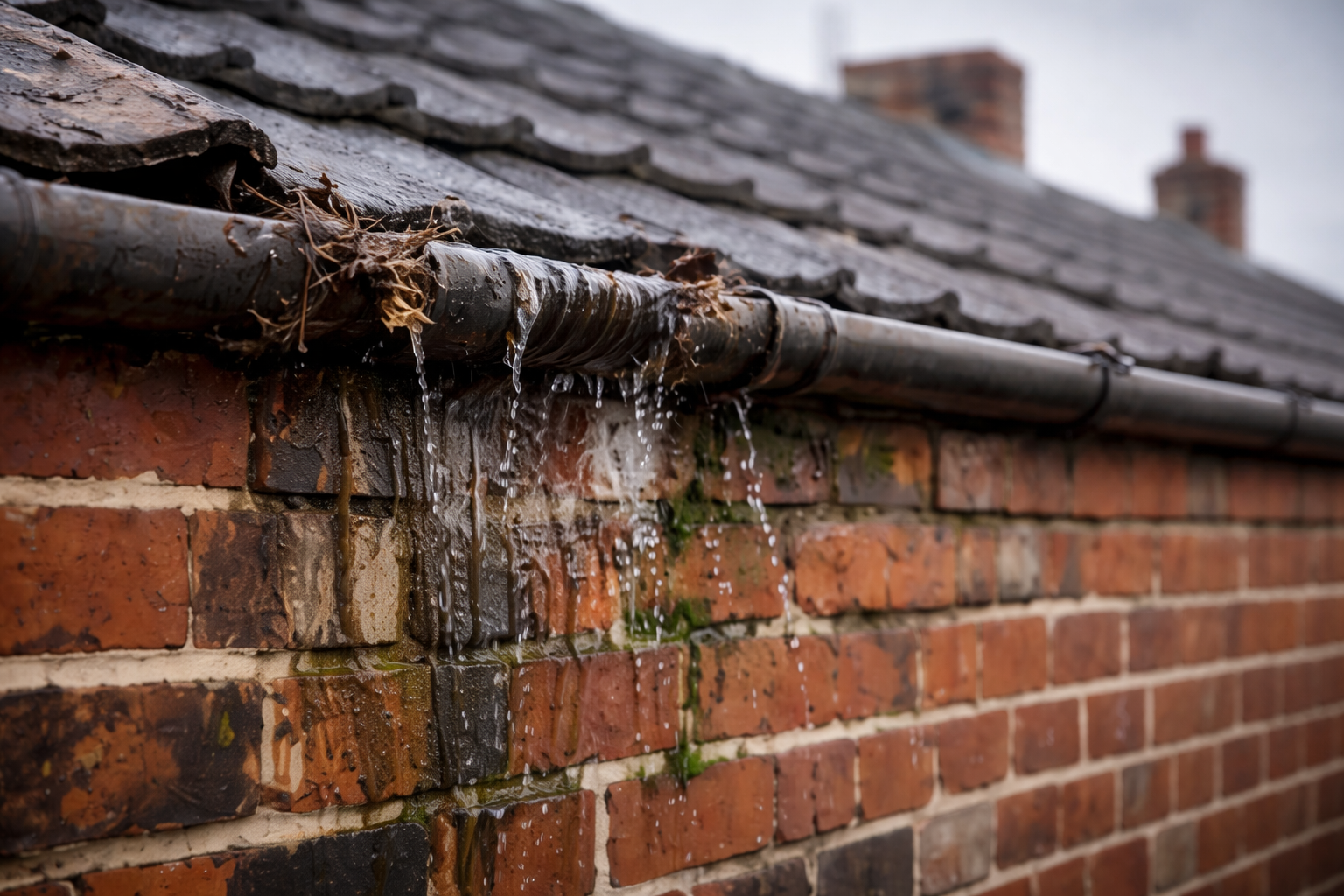
Kingfisher Building Products urges early action as damp affects 6.5m UK homes
Winter condensation is the most common cause of indoor moisture problems, yet it is also the easiest to fix. Early diagnosis saves homeowners thousands in unnecessary structural repair costs.”
ULVERSTON, LA12 9RA, UNITED KINGDOM, February 11, 2026 /EINPresswire.com/ -- Up to 6.5 million UK households could be dealing with damp and mould problems, according to government data published by the Ministry of Housing, Communities and Local Government (MHCLG). As the UK enters its coldest months, building products manufacturer Kingfisher Building Products, is urging homeowners to address damp issues before they escalate into costly structural damage and health risks.— Gordon Grainger
Stats from the English Housing Survey 2023-24 reveal that 5% of English homes (approximately 1.3 million dwellings) had damp problems in 2023-24; the highest rate in five years, representing a 25% relative increase since 2018-19. Private rented and local authority properties showed the highest rates at 9% each, whilst owner-occupied homes reported 4%.
Recent data from Health Equals shows that over 1 in 4 people in the UK live in homes that pose a risk to their health. A primary driver of this is poor ventilation; research from the 'UK’s Invisible Air Quality Problem' report indicates that homes without adequate airflow are 12 times more likely to suffer from what occupiers typically refer to as “damp”. But “damp” is a structural problem (porous masonry or decayed damp proof course) which can be expensive to fix, whereas excess moisture from condensation is not structural and is therefore easier to remedy by improving ventilation. Ironically, therefore a majority of “damp” problems are actually “condensation” which is less expensive to remedy (e.g. with lifestyle changes and low-energy extraction vents), if correctly diagnosed in the first place. In other words, the biggest moisture issue in homes is often the easiest and cheapest to remedy.
Specifically, damp affects 60% of poorly ventilated properties compared to just 5% of those with adequate ventilation, highlighting the urgent need for better air quality management in British housing.
“No one should have to live in a home that harms their health, yet as this new research shows, that is the reality for millions of people in the UK,” Dr Andy Whittamore, a practising GP and Clinical Lead at Asthma + Lung UK, member of Health Equals, said. “Living in damp or mouldy housing puts people living with chronic lung conditions like asthma and chronic obstructive pulmonary disease (COPD) at risk of life-threatening flare-ups and means they are more likely to need emergency care. Long-term exposure to mould can also cause lung conditions like asthma in previously healthy individuals.”
The scale of the issue has also been highlighted by independent research bodies, which warn that poor housing conditions are placing increasing pressure on public services. The health and economic impacts are substantial. Research from the Building Research Establishment (BRE) found that poor housing costs the NHS £1.4 billion annually in treatment costs, with damp-related illnesses specifically accounting for £38 million per year. The English Housing Survey also revealed that over 1 million dependent children are currently living in homes with damp or mould problems in England, with 47% of affected households containing someone with a long-term health condition.
"Many homeowners attempt DIY solutions that only mask surface symptoms rather than addressing root causes," a company spokesperson added. "Professional diagnosis is essential to distinguish between rising damp, penetrating damp, and condensation—each requires different treatment approaches. With winter condensation season upon us and government data showing the problem is worsening, not improving, early intervention can prevent thousands of pounds in remedial costs."
Kingfisher Building Products manufactures a comprehensive range of damp proofing and mould control solutions from its Lakeland factory, supplying both trade professionals and homeowners across the UK. The company's technical resources include detailed guidance on identifying and treating damp problems in different property types.
The MHCLG report, "Understanding and addressing the health risks of damp and mould in the home", emphasises that approximately 23% of all UK homes—nearly 1 in 4 households—could be affected by moisture problems requiring professional assessment.
Gordon Grainger
Kingfisher Building Products
+44 1229 869100
office@kingfisheruk.com
Visit us on social media:
LinkedIn
Facebook
YouTube
Legal Disclaimer:
EIN Presswire provides this news content "as is" without warranty of any kind. We do not accept any responsibility or liability for the accuracy, content, images, videos, licenses, completeness, legality, or reliability of the information contained in this article. If you have any complaints or copyright issues related to this article, kindly contact the author above.
